
An Economic Turning Point: Oil Shock, Trade Imbalances, and Policy Uncertainty
Canada’s economic outlook shifted sharply this week as rising oil prices, a widening trade deficit, and slowing manufacturing activity introduced new uncertainty. The convergence of global shocks and domestic pressures signals a more complex economic phase ahead.
Canada’s economic outlook shifted sharply this week following a series of developments that, taken together, signal a more uncertain and volatile environment than anticipated just months ago.
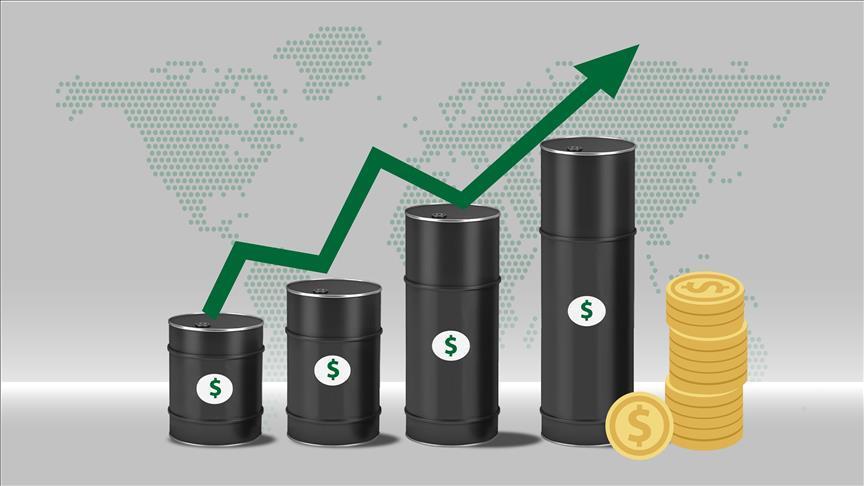
The most immediate trigger has been a surge in global oil prices driven by escalating geopolitical tensions in the Middle East, particularly involving Iran. Concerns over potential disruption to key supply routes, including the Strait of Hormuz, have pushed energy markets higher and reintroduced inflation risks globally.
For Canada, the impact has been both immediate and complex.
On 2 April 2026, new trade data showed Canada’s merchandise trade deficit widening to approximately C$5.74 billion, the largest gap in six months. The increase was driven largely by a spike in imports, including gold, energy products, and vehicles. While exports have remained relatively stable, the imbalance reflects rising input costs and shifting trade dynamics.
At the same time, Canada’s manufacturing sector showed signs of weakening. The latest Purchasing Managers’ Index (PMI), released on 1 April 2026, fell to 50.0, indicating stagnation. New orders declined, output slowed, and businesses reported increasing cost pressures linked to energy and global uncertainty.
These developments are placing the Bank of Canada in a difficult position. Officials have indicated that monetary policy decisions will now rely more heavily on judgment than usual, reflecting the lack of clear signals in the current environment. Higher oil prices are pushing inflation risks upward, while slowing industrial activity suggests underlying economic fragility.
Currency markets have responded accordingly, with the Canadian dollar weakening to around 1.39 per US dollar, reflecting both global risk sentiment and concerns over Canada’s economic outlook.
At the same time, Canada is actively adjusting its trade strategy. In early April 2026, Canada’s Finance Minister conducted a high-level visit to China aimed at strengthening trade and financial cooperation. China remains Canada’s second-largest trading partner, with bilateral trade valued at approximately $124.8 billion.
These developments highlight a broader shift. Canada is increasingly seeking to expand its global trade footprint in response to rising geopolitical and economic uncertainty.
Taken together, the events of this week point to a convergence of pressures. Rising energy prices are feeding inflation, manufacturing is slowing, trade balances are weakening, and policy direction is becoming less certain. While none of these factors alone would define a turning point, their simultaneous emergence is significant.
Canada is not entering a crisis. However, it is moving into a more complex economic phase, characterized by slower growth, higher costs, and increased external risk.
At the same time, opportunities are emerging. Higher global demand for energy and resources strengthens Canada’s position as a key exporter. In parallel, the push toward trade diversification opens new pathways for engagement with emerging markets and alternative supply chains.
The events of this week do not represent a single disruption, but rather a shift in trajectory. Canada’s economic environment is becoming more outward-looking, more sensitive to global developments, and more dependent on strategic trade positioning.
In that sense, the past few days may mark the beginning of a new phase rather than a temporary shock.