
New Discoveries Continue to Reveal the Hidden Scale of Cambodia’s Angkor Landscape
Recent research using advanced mapping technologies is uncovering new details about the scale and complexity of Cambodia’s Angkor-era urban landscape.
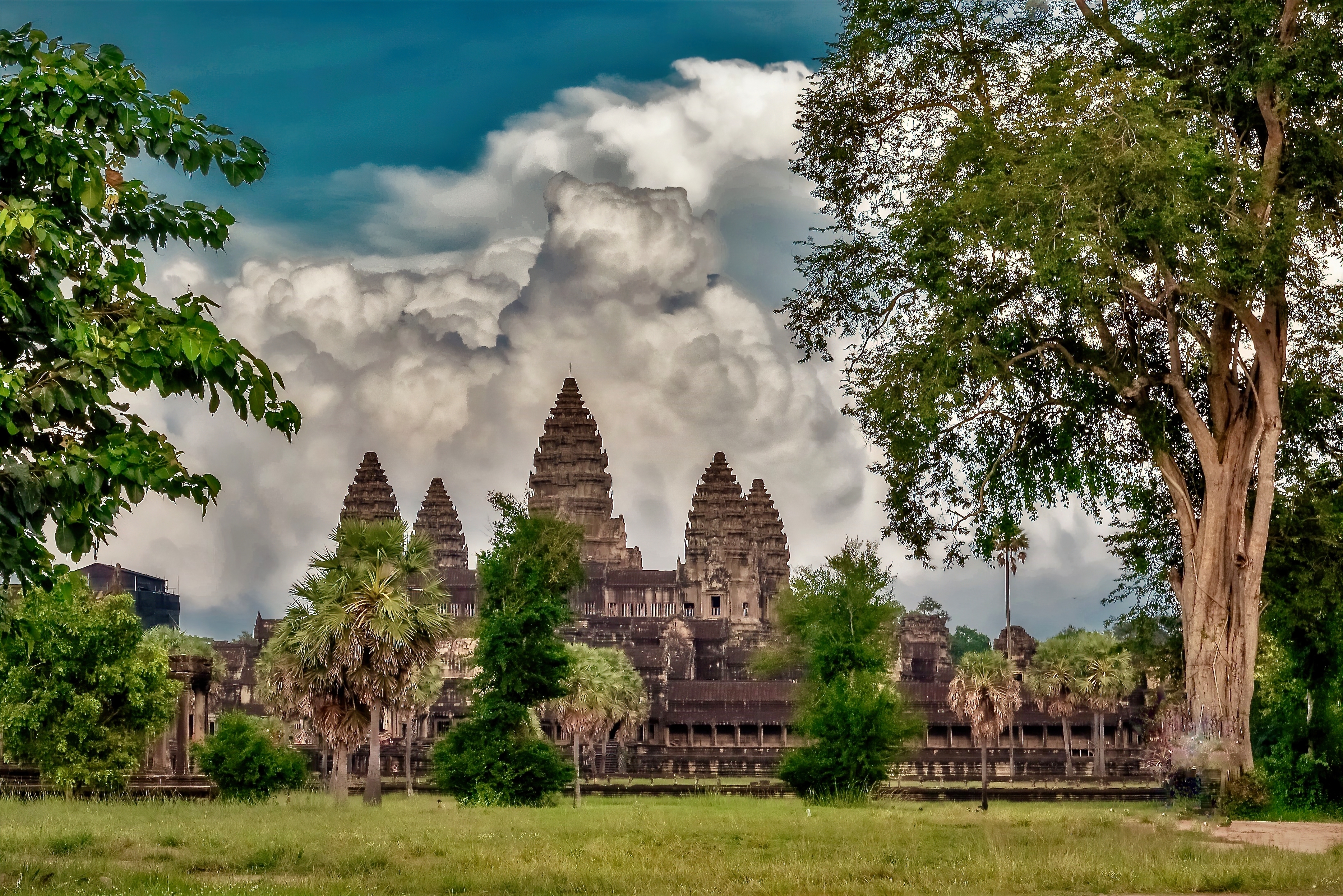
New research is continuing to uncover the hidden scale of Cambodia’s Angkor-era landscape, offering fresh insight into one of the world’s most significant historical urban systems.
Using technologies such as LiDAR scanning, researchers have been able to map areas beneath dense forest cover, revealing previously unseen structures, road networks, and water systems surrounding major temple sites.
These findings are helping to reshape understanding of Angkor not simply as a collection of temples, but as part of a vast and highly organized urban environment that supported large populations over extended periods.
Among the most notable discoveries are expanded canal systems and reservoirs, highlighting the central role of water management in sustaining agriculture and daily life. The scale and coordination of these systems continue to draw attention from researchers studying historical urban planning.
What makes these discoveries particularly compelling is that many of these structures remained hidden for centuries. With modern mapping tools, archaeologists are now able to build a more complete picture of how communities lived, moved, and interacted across the wider Angkor region.
The research also contributes to ongoing conservation efforts. Improved mapping of the landscape supports better protection and management of archaeological sites, ensuring that these areas can be preserved for future study and tourism.
As exploration continues, each new finding adds another layer to the understanding of Cambodia’s historical development, reinforcing Angkor’s importance not only as a cultural landmark but also as a complex and advanced urban system.
Further studies are expected to continue expanding knowledge of the region, with ongoing work focused on connecting newly identified sites into a broader understanding of the Angkor landscape.