
Power Reliability Is Quietly Becoming a Deciding Factor for Investment
Power reliability is emerging as a key consideration for businesses operating in Cambodia, with growing implications for investment decisions, operational planning, and long term competitiveness.
Power reliability is increasingly becoming a defining factor in how businesses assess investment and operations in Cambodia. As the country’s economy expands and industrial activity accelerates, energy is shifting from a background utility to a strategic consideration influencing both domestic and foreign investment decisions.
Cambodia’s electricity sector has grown rapidly in recent years. Total installed power capacity reached approximately 5,932 megawatts in 2025, marking a 14.4 percent increase from the previous year. Electricity consumption has also risen significantly, reaching over 22,000 gigawatt-hours, reflecting both economic growth and increasing electrification across the country.
At the same time, demand continues to rise at pace. Cambodia’s electricity production reached over 20,596 gigawatt-hours in 2025, up from 18,315 gigawatt-hours in 2024. This sustained growth highlights the increasing pressure on generation capacity, transmission infrastructure, and system reliability as the economy expands.
Energy supply remains structurally complex. Cambodia relies on a diversified mix of hydropower, coal, solar, and imported electricity from neighboring countries including Thailand, Vietnam, and Laos, particularly during the dry season. This reliance on imports and seasonal variability introduces an additional layer of exposure to external factors and regional market conditions.
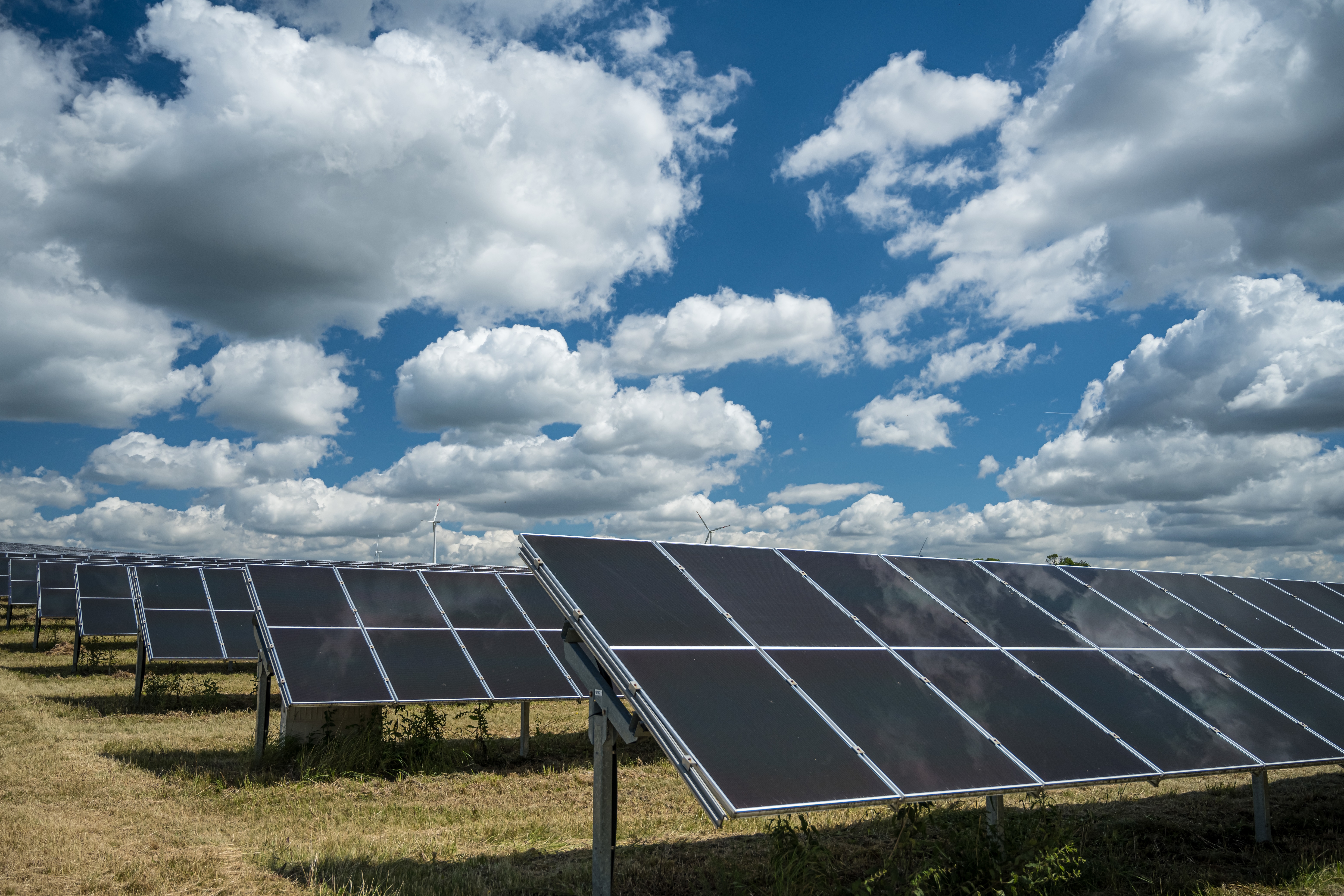
Hydropower continues to play a major role in the national energy mix, but its dependence on rainfall creates fluctuations in supply. In response, Cambodia is accelerating diversification efforts. Renewable energy now accounts for more than 60 percent of installed capacity, with solar emerging as one of the fastest growing segments. The government has also approved over 20 new energy projects, including solar, wind, and energy storage systems, representing nearly six billion dollars in planned investment.
At the infrastructure level, significant investments are underway to strengthen grid reliability. Projects supported by international partners are focusing on transmission upgrades, battery storage systems, and expanded distribution networks, particularly in high demand corridors such as Phnom Penh and surrounding industrial zones. These upgrades aim to reduce system losses, stabilize supply, and support the integration of renewable energy sources.
Despite these improvements, energy reliability is increasingly being factored into business decision making. Manufacturers and large scale operators are placing greater emphasis on power availability, consistency, and cost predictability when evaluating expansion plans or new investments. In some cases, firms are exploring on site generation, including rooftop solar and hybrid systems, to reduce exposure to grid variability and long term price uncertainty.
Regional dynamics are also shaping the outlook. Cambodia continues to participate in cross border electricity trade within ASEAN, allowing for greater flexibility in supply but also linking domestic energy security to regional conditions. As demand rises across Southeast Asia, competition for energy resources and infrastructure capacity is expected to increase.
Looking ahead, Cambodia’s Power Development Plan outlines a long term transition toward a more diversified and cleaner energy mix, with a target of reaching approximately 70 percent renewable energy by 2030. At the same time, total capacity is expected to expand significantly, with long term plans targeting up to 9 gigawatts of installed capacity by 2040.
For businesses, the implications are clear. Energy is no longer a passive input but an active variable in investment strategy. Power reliability, infrastructure readiness, and long term energy policy are increasingly shaping how Cambodia is evaluated as a destination for capital, manufacturing, and industrial growth.
While Cambodia continues to present strong economic fundamentals, the evolution of its energy sector will play a critical role in determining the pace and sustainability of that growth. As infrastructure expands and the energy mix evolves, power reliability is set to become one of the most important factors influencing business confidence in the years ahead.